Why India? The World’s Most Complete Education Destination
Not just a degree. A transformation.
Discover what makes studying in India one of the most life-changing decisions a student can make — backed by real stories, real numbers, and real outcomes.
The World Learns From India.
Now It’s Your Turn.
From the invention of zero to the frontiers of AI — India has always been where knowledge is born. Today, its world-class institutions open that legacy to students from every corner of the globe.
“We owe a lot to the ancient Indians for teaching us how to count. Without which most modern scientific discoveries would have been impossible.”
— Albert Einstein
Theoretical Physicist & Nobel Laureate
India’s Global LegacyThe Innovations India Gave the World
The Innovations India Gave the World
Foundational Innovations
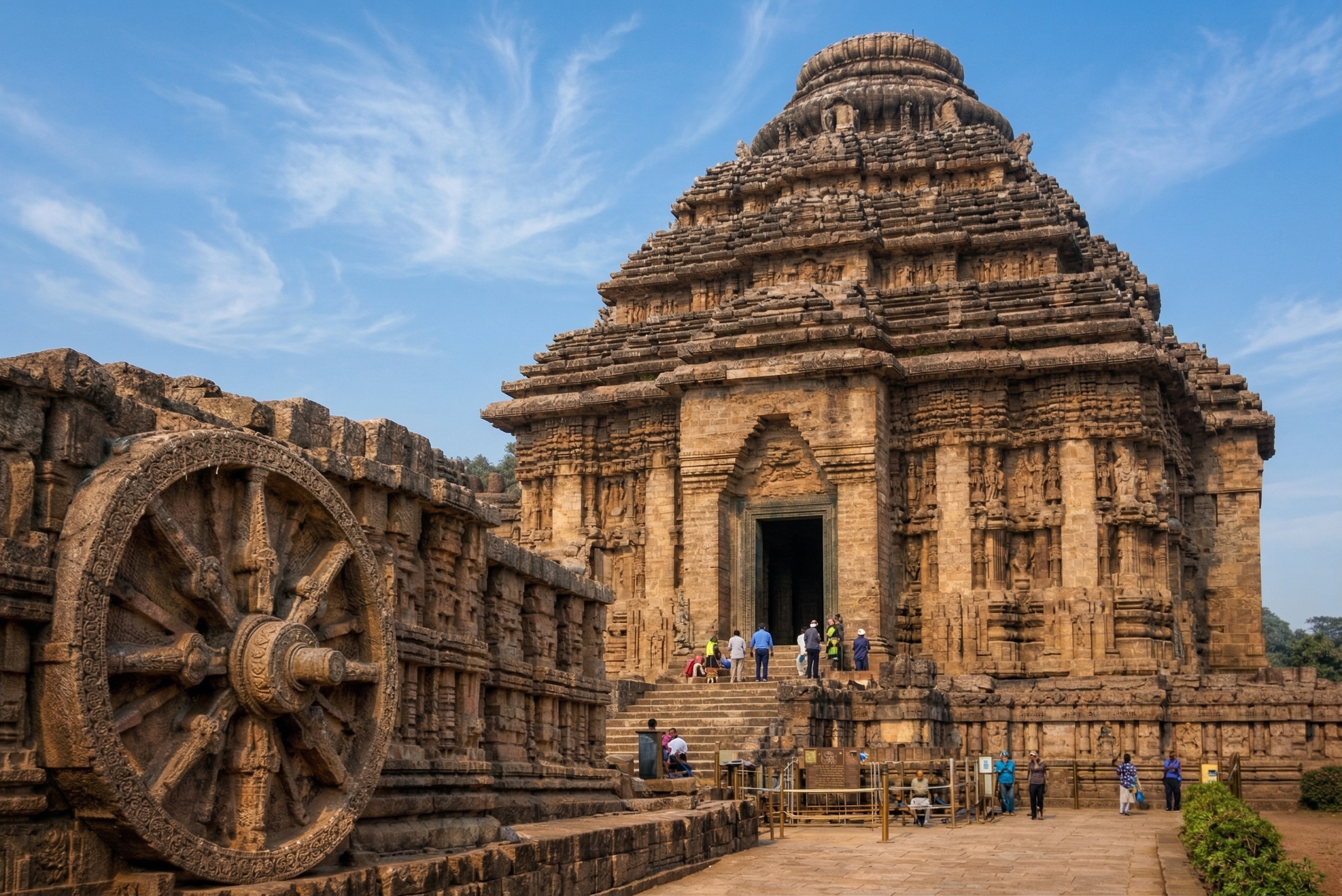
Celestial Precision
Ancient Indian astronomers mapped planetary orbits, predicted eclipses, and built monumental observatories like the Konark Sun Temple — an architectural sundial measuring time with extraordinary accuracy.
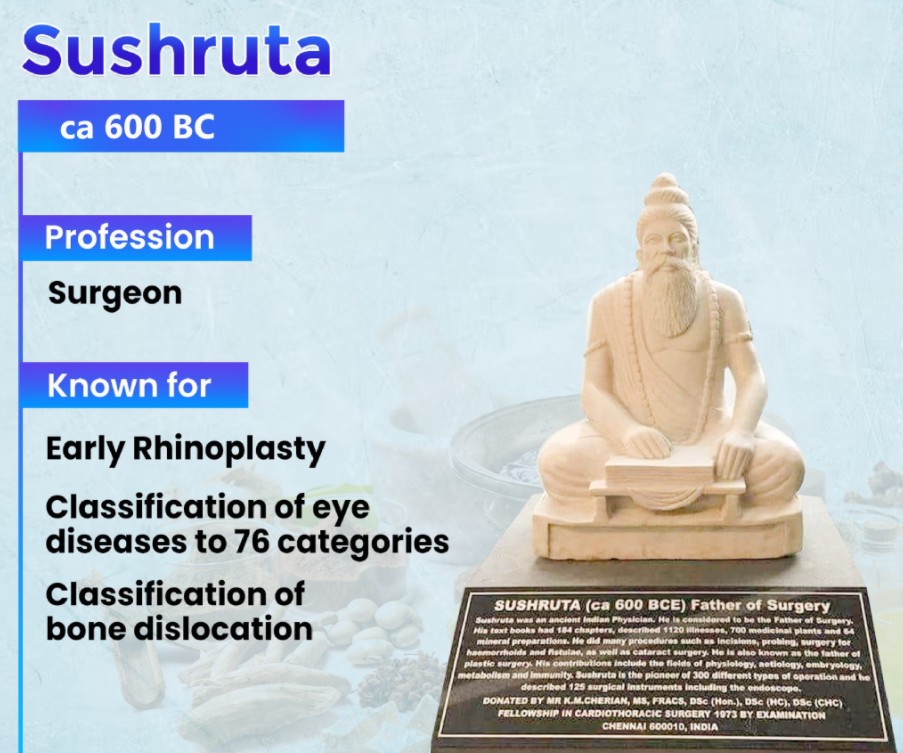
Sushruta & Ayurveda
Sushruta performed rhinoplasty and cataract surgery over 2,600 years ago. Ayurveda remains one of the world’s oldest holistic healing systems, informing modern pharmacology and wellness practices.

Temple Engineering
From Hampi’s musical pillars to Brihadeeswarar’s 80-tonne capstone, India’s temple builders achieved feats of structural engineering that continue to mystify modern architects.

Wootz Steel & Beyond
India invented Wootz steel — the legendary Damascus steel. The 1,600-year-old Iron Pillar of Delhi stands rust-free, demonstrating metallurgical knowledge that still puzzles scientists.

Everyday Inventions
From shampoo (derived from the Sanskrit “champu”) to the game of chess, from the button to cotton cultivation — India’s everyday inventions quietly shaped global civilization.

Logic & Numbers
The concept of zero, the decimal system, and trigonometry all originated in India. The Bakhshali manuscript contains the world’s earliest recorded use of zero as a number.
More Indian Innovations
Chess & Ludo
Strategic games invented in India that spread across the world’s cultures.
Fibre Optics
Narinder Singh Kapany’s work laid the groundwork for global internet infrastructure.
Mysorean Rockets
The world’s first iron-cased rockets — precursors to modern rocketry.
Yoga & Meditation
A 5,000-year-old system of wellbeing now practised by 300 million people worldwide.
Jamdani & Button
India’s textile innovations shaped global fashion and everyday clothing fasteners.
Diamond Drilling
Ancient India pioneered techniques still fundamental to materials science today.
Timeline of Innovation
Indus Valley Civilisation
Urban planning, sewerage systems, and standardised weights & measures
Vedic Mathematics
Foundational concepts of algebra, geometry, and astronomical calculation
Sushruta Samhita
First recorded surgical procedures including rhinoplasty and cataract surgery
Panini’s Grammar
First formal system of linguistic rules — precursor to modern computing logic
Zero & Decimal System
Aryabhata’s revolution — the foundation of modern mathematics
Wootz Steel Production
The legendary Damascus steel, exported across medieval trade routes
Mysorean Rockets
First iron-cased rockets used in warfare, inspiring British Congreve rockets
Space & Technology
Mars Orbiter Mission, Chandrayaan-3, and the world’s 3rd largest startup ecosystem
Ancient LegendsLegendary Concepts
Legendary Concepts

Vimana — Flying Machines
Ancient Indian texts like the Vaimanika Shastra describe elaborate flying vehicles called Vimanas, complete with propulsion systems, navigation, and aerodynamic principles. While their historicity is debated, these descriptions represent humanity’s earliest recorded imagination of flight — millennia before the Wright brothers took to the skies.

Somnath Temple & Magnetic Suspension
Legend holds that the original Somnath Temple contained a Shiva lingam suspended in mid-air through the use of magnets embedded in the temple’s structure. While historical evidence is inconclusive, this legend reflects an early understanding of magnetic forces and their potential engineering applications — a concept that resonates with modern maglev technology.
A Destination Like No Other
India offers a unique combination of academic excellence, cultural richness, and affordability that few countries can match. With over 1,000 universities and 50,000+ colleges, India is one of the largest higher education systems in the world.

Higher Education Excellence
India is home to some of the world’s most prestigious institutions — IITs ranked in the global top 200, IIMs among Asia’s best business schools, and AIIMS as a world-renowned medical institute.
Affordable Global Education
Tuition fees are 50-80% lower than comparable programs in the US, UK, or Australia. Monthly living costs range from $200-$500 in most Indian cities.
Globally Recognised Degrees
Indian degrees from UGC-recognised universities are accepted worldwide. Graduates lead at Google, Microsoft, NASA, and the UN.
Experience Indian Universities
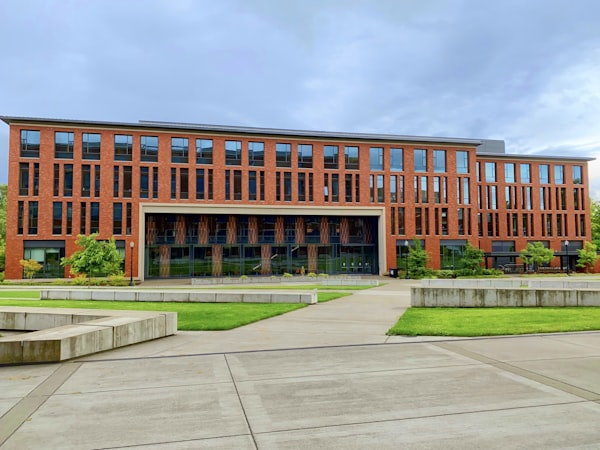
Modern campuses, world-class facilities, and a vibrant community of students from around the globe.



ExploreStudy Any Discipline
From ancient wisdom to cutting-edge technology, India offers programs across every field of study.
Study Any Discipline
From ancient wisdom to cutting-edge technology, India offers programs across every field of study.

Sciences & Research
Physics, Chemistry, Biology, Space Sciences

Technology & IT
Computer Science, AI, Data Science, Cybersecurity

Medicine & Health
MBBS, Ayurveda, Pharmacy, Public Health
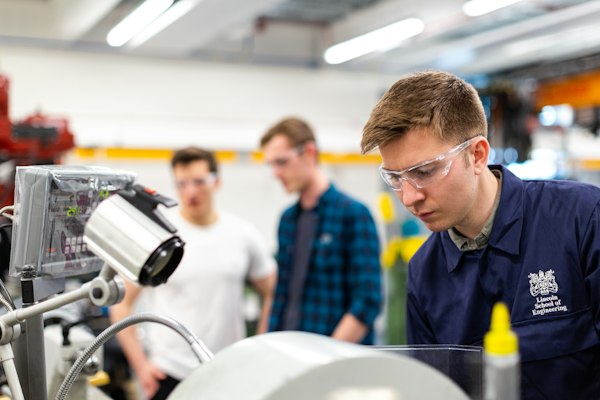
Engineering
Civil, Mechanical, Electrical, Aerospace

Business & Management
MBA, Finance, Marketing, Entrepreneurship

Law & Governance
Constitutional Law, International Law, Policy

Arts & Design
Fine Arts, Film, Architecture, Fashion

Humanities
Literature, Philosophy, History, Languages
ReasonsReasons to Choose India
Why thousands of international students from 160+ countries choose India every year.
Reasons to Choose India
Why thousands of international students from 160+ countries choose India every year.
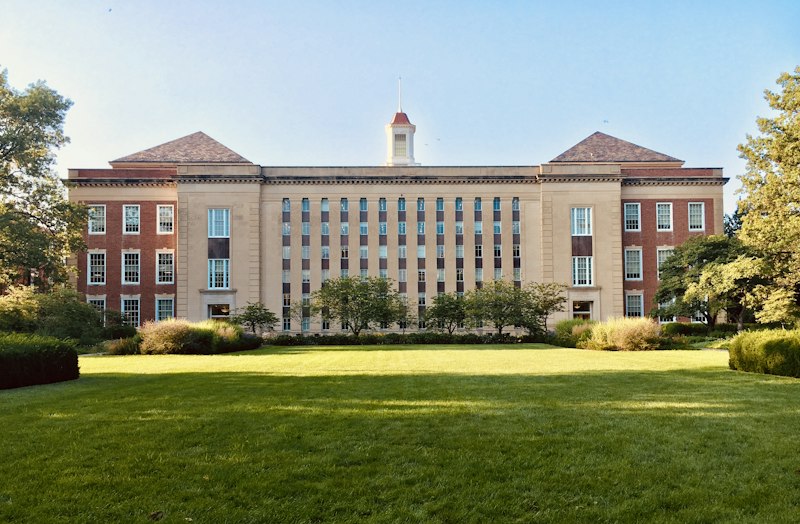
World-Class Institutions
IITs, IIMs, AIIMS, and central universities are globally ranked and recognised by employers worldwide.

Affordable Tuition
Quality education at a fraction of the cost compared to the US, UK, or Australia. A full engineering degree at an NIT costs what one semester costs in many Western universities.

English-Medium Programs
Thousands of courses taught entirely in English across every discipline. India is the world’s second-largest English-speaking country.

Rich Cultural Heritage
Experience 5,000+ years of history, 22 official languages, and vibrant traditions that create a truly immersive experience.

Growing Economy
5th largest economy with booming tech, pharma, and startup ecosystems. Students gain exposure to real-world innovation during their studies.
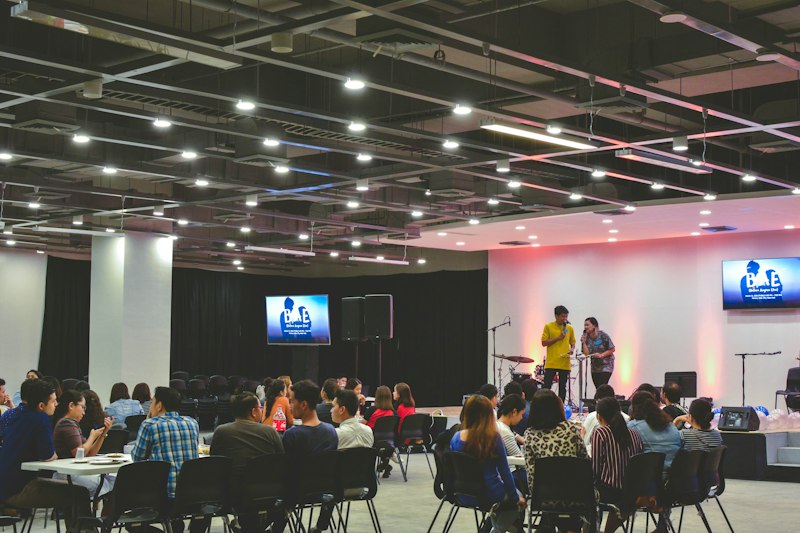
Global Alumni Network
Join graduates who lead at Google, Microsoft, NASA, McKinsey, the World Bank, and the United Nations.

Innovation Hub
3rd largest startup ecosystem globally. Bengaluru, Hyderabad, and Pune are major tech hubs with incubators and accelerators.

Diverse Student Life
Students from 160+ countries create a truly international campus experience. Festivals, food, and friendships from around the world.

Scholarship Opportunities
ICCR, Study in India (SII), and university-specific scholarships cover tuition, accommodation, and living expenses.

Safe & Welcoming
Dedicated international student offices, airport pickup, buddy programs, and 24/7 support helplines at top universities.
India’s Story Through TimeA Journey Through India’s Knowledge Legacy
A Journey Through India’s Knowledge Legacy
Dawn of Knowledge
The Indus Valley Civilisation (c. 2600 BCE) was among the world’s first urban societies. Its cities featured grid-planned streets, underground drainage, public baths, and standardised brick construction — engineering feats that wouldn’t be matched in Europe for thousands of years.
Ancient Scientific Discoveries
Indian scholars developed the concept of zero, the decimal system, and advanced trigonometry. Observatories like Jantar Mantar in Jaipur demonstrate that Indian astronomers could predict eclipses and track celestial movements with remarkable precision using only stone instruments.
Temple Engineering Wonders
The Brihadeeswarar Temple (1010 CE) features an 80-tonne granite capstone lifted to a height of 66 metres without modern machinery. India’s temple builders mastered acoustics, hydraulics, and structural engineering that continues to inspire architects and engineers worldwide.
Materials that Changed the World
Wootz steel, produced in India since ~300 BCE, became the legendary Damascus steel of medieval trade. India’s metallurgists achieved carbon-nanotube-level structures in steel over 2,000 years before modern materials science could explain the process.
Knowledge that Spread Globally
Through the Silk Road, maritime routes, and the spread of Buddhism, Indian knowledge reached China, Southeast Asia, the Islamic world, and eventually Europe. The numeral system, surgical techniques, philosophical ideas, and textile technologies transformed civilisations across the globe.
Global ImpactHow Indian Knowledge Spread Across the World
How Indian Knowledge Spread Across the World
Indian innovations in mathematics, astronomy, medicine, and metallurgy spread across the world through ancient trade routes, scholarly exchanges, and cultural diffusion. Explore the map below to see how knowledge travelled from India to distant civilisations.
Fun FactsDid You Know?
Did You Know?
Surgery 2,600 Years Ago
Sushruta performed rhinoplasty and cataract surgery in ancient India, using over 120 surgical instruments described in the Sushruta Samhita.
“Shampoo” Comes from Sanskrit
The word “shampoo” derives from the Sanskrit “champu,” meaning to press or massage.
A Temple that Tells Time
The Konark Sun Temple is designed as a massive sundial. Its intricate carvings and wheel spokes can accurately calculate time to the minute.
The Steel That Baffled the World
Indian Wootz steel was so prized that swords made from it could slice through European armour. Its carbon nanotube structure was only understood in the 21st century.
Natural Air Conditioning
Stepwells like Rani ki Vav in Gujarat used evaporative cooling to keep temperatures 6-7 degrees lower — natural air conditioning from the 11th century.
Zero — India’s Gift to Humanity
The concept of zero originated in India around the 5th century CE. Without it, modern computing, physics, and engineering would be impossible.
Cotton for the World
India was the first civilisation to cultivate and weave cotton, as early as 5000 BCE. Indian textiles drove the establishment of global trade routes.
The First Vaccines
Indian physicians practised variolation centuries before Edward Jenner’s vaccine, using dried smallpox scabs to build immunity.
Unity in DiversityA Land That Embraces Everyone
A Land That Embraces Everyone
Your Story Begins in India.
Ready to Begin Your Journey?
Explore verified university data, compare costs, and start your application to study in India — the world’s most complete education destination.
Study in India vs UK, USA & Australia — real cost comparison
Approximate annual costs for international students, in US dollars. India delivers globally recognised, English-medium degrees at roughly one-tenth of Western costs.
| Cost item | 🇮🇳 India | 🇬🇧 UK | 🇺🇸 USA | 🇦🇺 Australia |
|---|---|---|---|---|
| Undergraduate tuition / year | $600 – $3,000 | $15,000 – $35,000 | $25,000 – $55,000 | $15,000 – $33,000 |
| Accommodation / year | $700 – $1,400 (hostel + mess) | $8,000 – $15,000 | $10,000 – $18,000 | $9,000 – $16,000 |
| Typical total / year | $1,500 – $5,000 | $25,000 – $50,000 | $38,000 – $75,000 | $26,000 – $50,000 |
| MBBS (medicine) total programme | $20,000 – $60,000 | $250,000+ | $300,000+ | $250,000+ |
Indicative ranges compiled from public university fee schedules; always confirm with the institution. Estimate your exact cost with the free StudyIndia.ai Cost Calculator.
Why study in India — common questions
Quick, factual answers for students and parents comparing destinations.
Why should I study in India instead of the UK, USA or Australia?
Cost is the biggest reason: a full degree in India (tuition plus living) often costs less per year than tuition alone in the UK, USA or Australia, while top institutions like the IITs, IIMs and AIIMS are globally respected. Courses are taught in English, and India hosts 45,000+ international students from over 160 countries every year.
What is India famous for in education?
India's learning heritage spans from ancient universities like Nalanda and Takshashila and the invention of the decimal zero, to today's IITs (engineering), IIMs (management) and AIIMS (medicine). India has one of the world's largest higher-education systems, with over 1,600 UGC-recognised universities.
Which are the best cities in India for international students?
Bengaluru (tech capital, mild climate), Delhi (largest student population), Hyderabad (affordable, big tech), Pune ('Oxford of the East', 600+ colleges) and Chennai are the most popular. Each has large international student communities and dedicated hostels.
What are the top courses to study in India?
Medicine (MBBS) and Engineering (B.Tech) are the top two choices for international students, followed by management (MBA), pharmacy, agriculture and computer applications. StudyIndia.ai lists over 108,000 courses across 1,628 universities so you can compare fees and eligibility for any field.