INDIAIncredible.The land that has everything.
Snow-capped Himalayan peaks. Thar Desert dunes. Kerala backwaters. Northeast rainforests. Ancient yogis and modern startups. Film stars and mountain saints. Over a billion souls — and every single one, unmistakably Indian.
"India is the cradle of the human race, the birthplace of human speech, the mother of history."
Chapter 01 — Landscapes
One Country.
Every Landscape
on Earth.
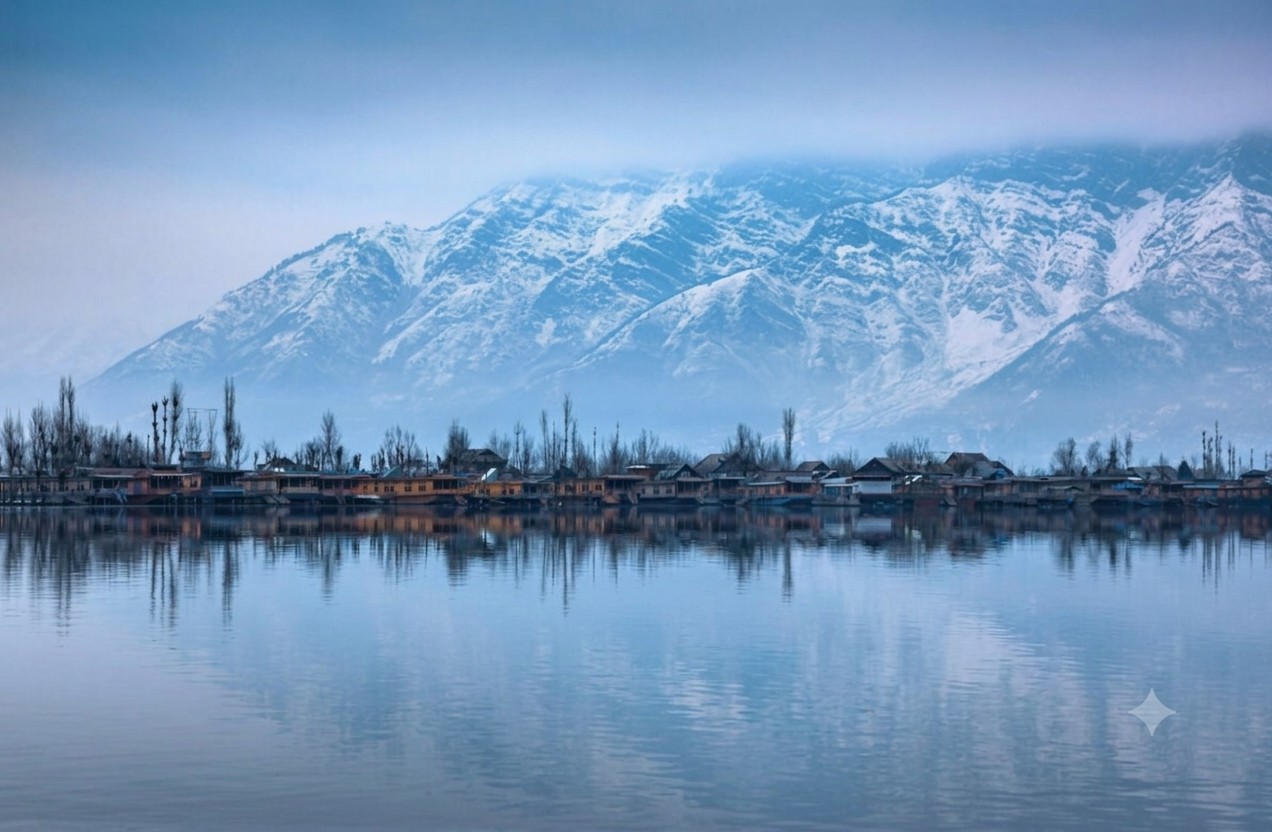
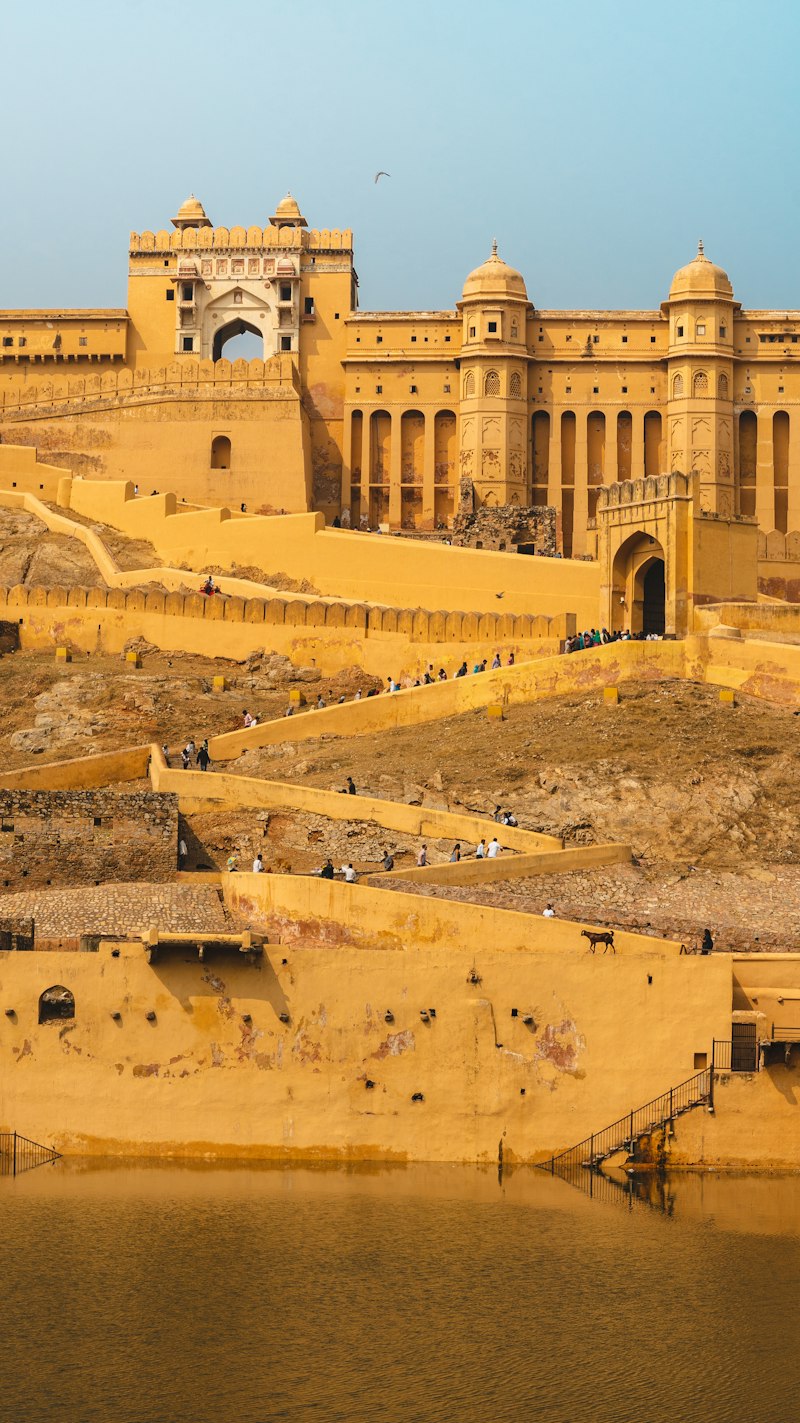
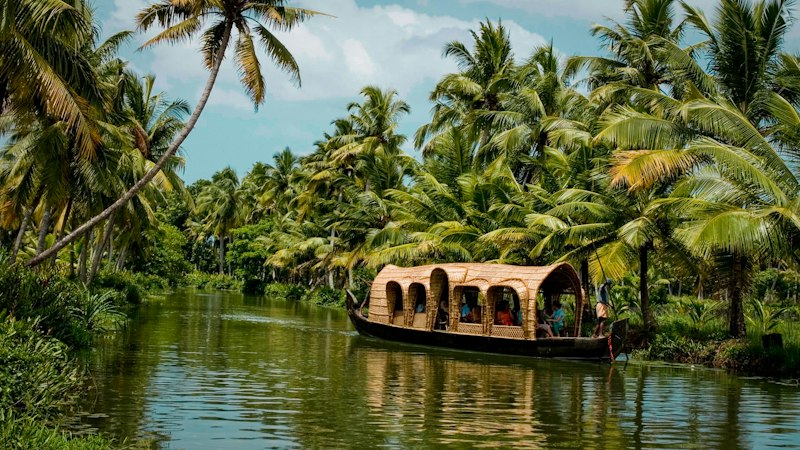
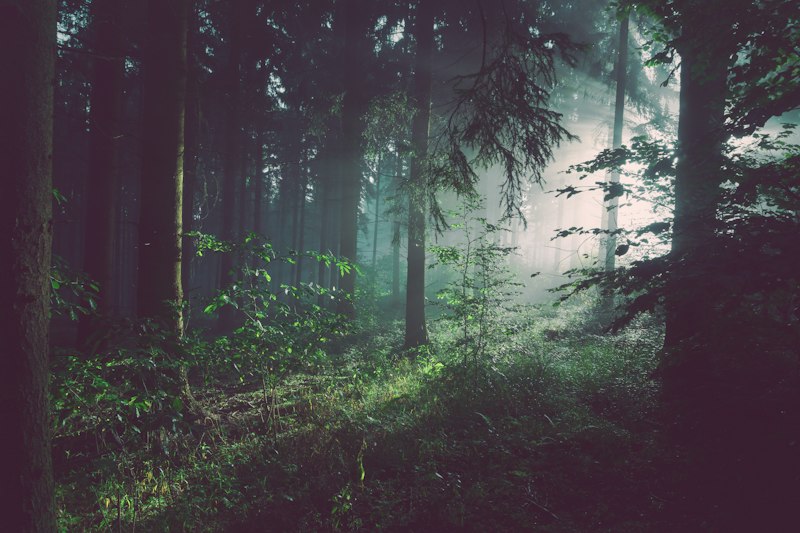
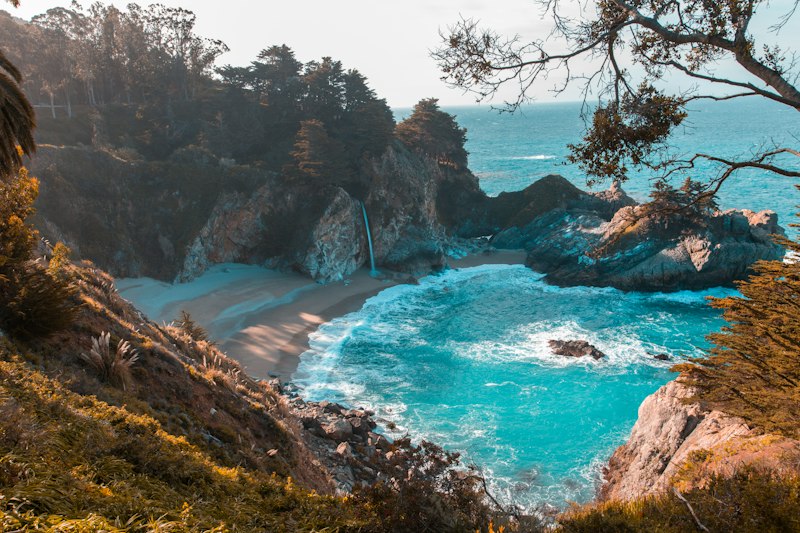
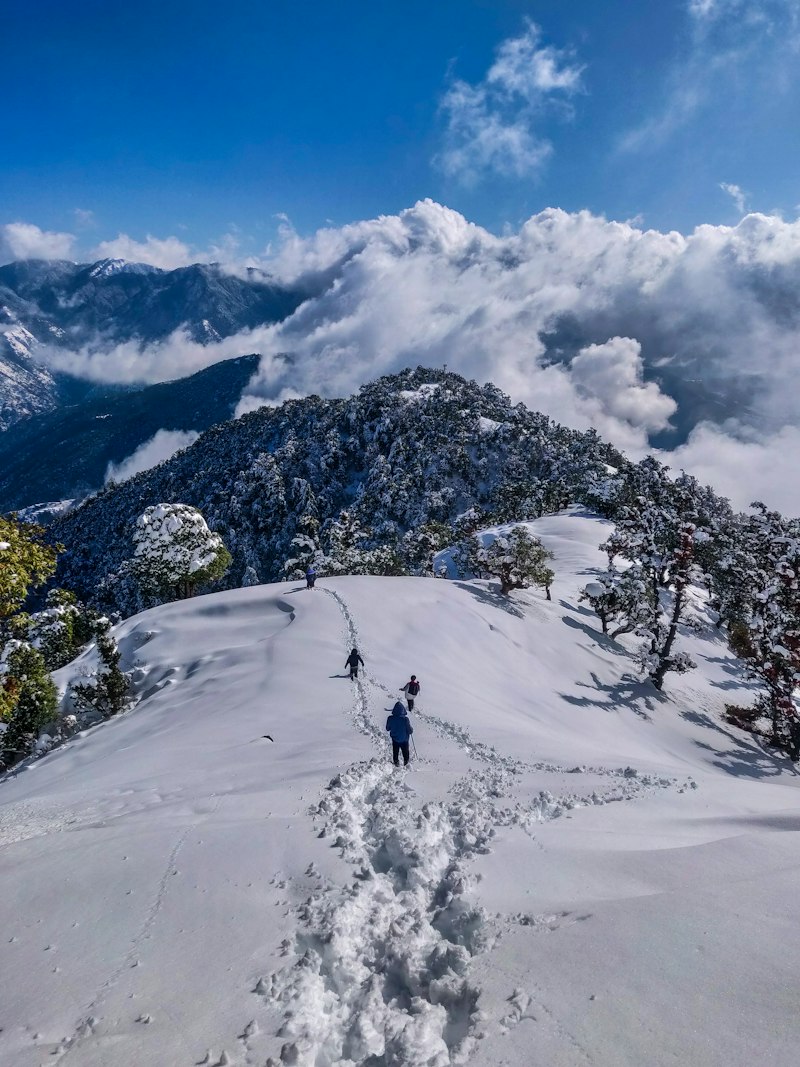
From Arctic-like glaciers to equatorial rainforests, from moonlike deserts to emerald backwaters — India's geography is as diverse as its people. Scroll to explore.
Chapter 02 — Four Directions
North, South,
East, West —
All India.
Each compass point of India is a separate world. Together, they form the most geographically and culturally diverse nation on Earth.
Historic Grandeur &
Himalayan Glory
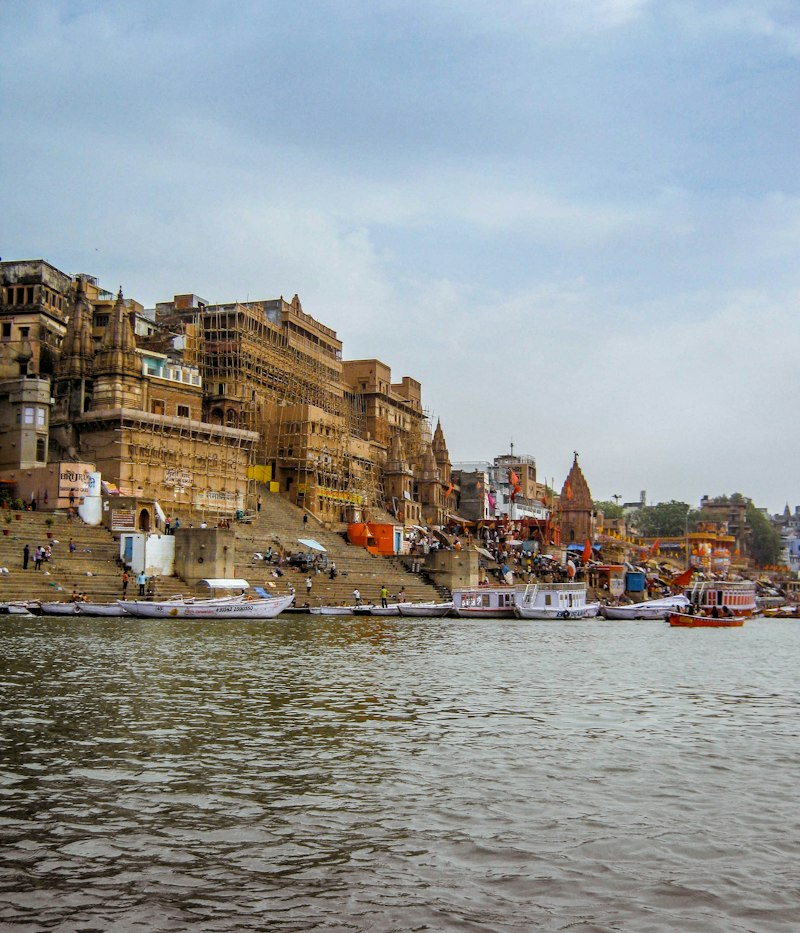
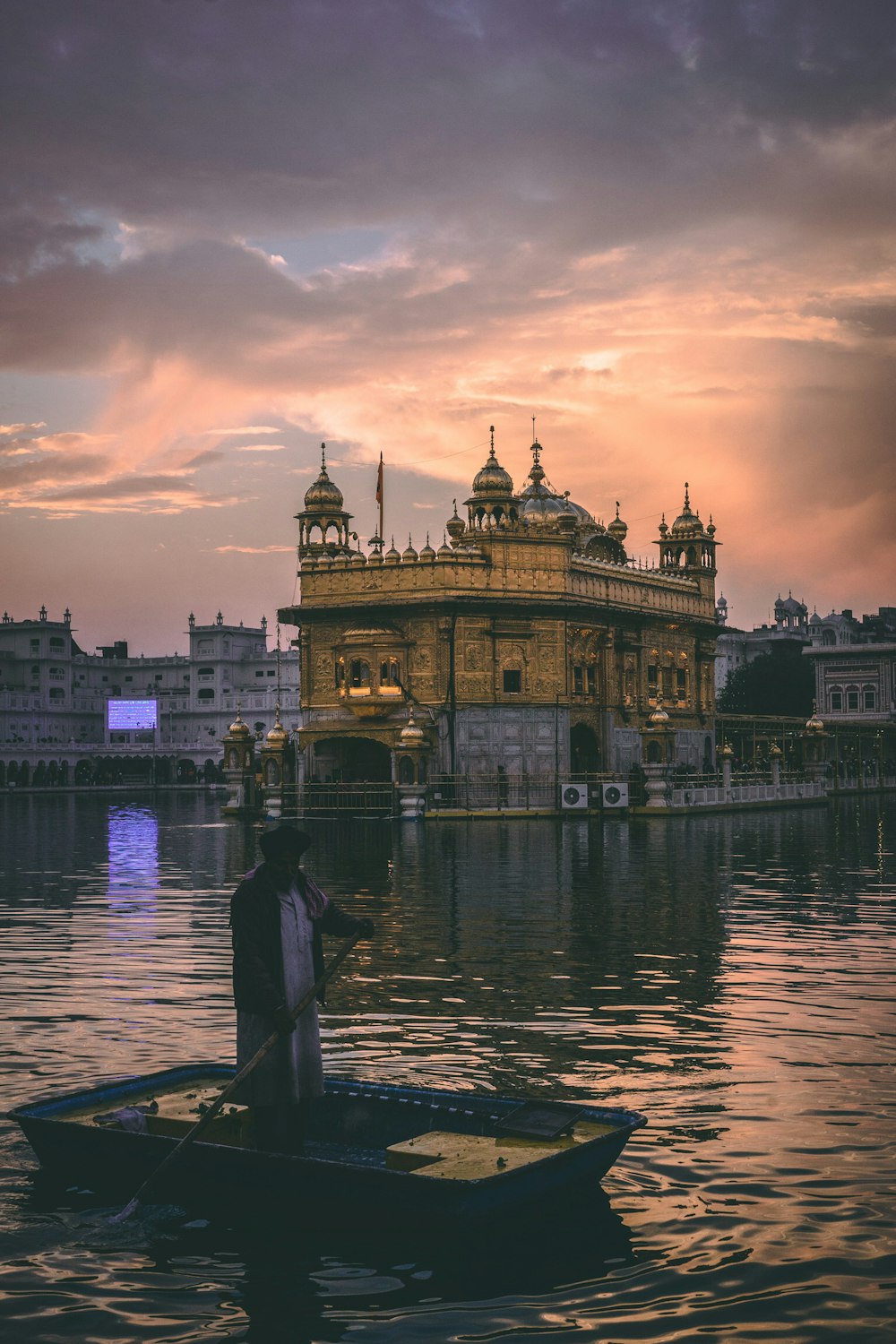
The Golden Temple gleaming at dusk in Amritsar. Delhi's bazaars, temples, mosques and modern art galleries existing on the same block. The spiritual banks of the Ganges at Varanasi, the yoga capital Rishikesh, and the snow-capped Himalayas — the north is India's most visited, most layered compass point.
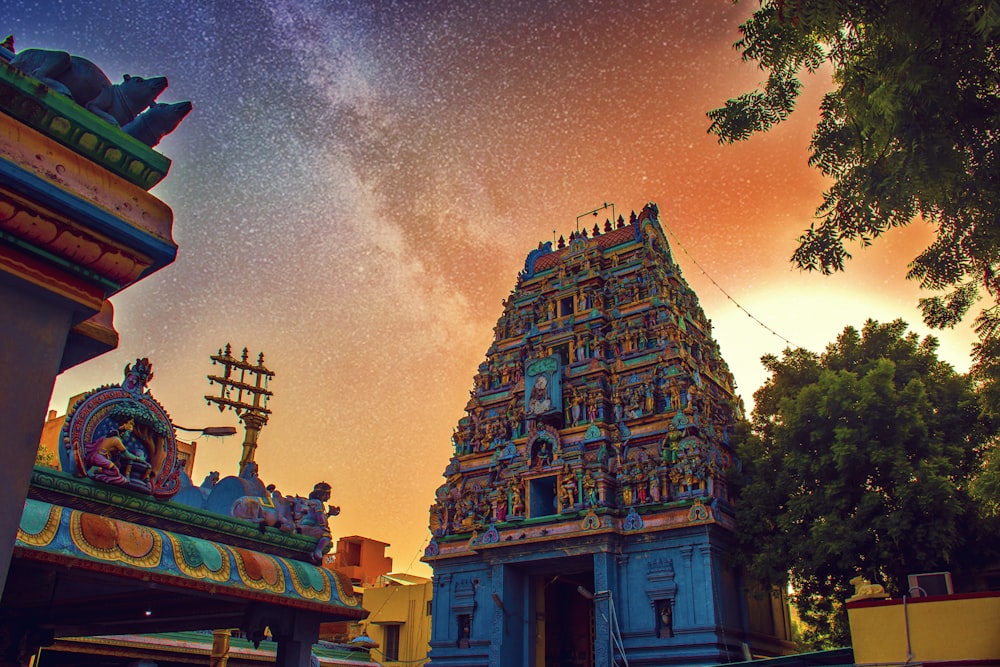
Temple Cities &
Tropical Abundance
Tamil Nadu's towering gopuram temples, the ancient Dravidian civilisation, Bengaluru's silicon ambition, Chennai's classical music tradition, Kerala's ayurvedic retreats and backwater serenity. The south is India's intellectual and spiritual powerhouse.

Rainforests, Tea &
Bengal Renaissance
Darjeeling's misty tea gardens with Kanchenjunga on the horizon. Kolkata — city of poets, intellectuals, colonial ghosts and the world's most passionate football culture. Odisha's Sun Temple. The east is where India is most literary and most wild simultaneously.
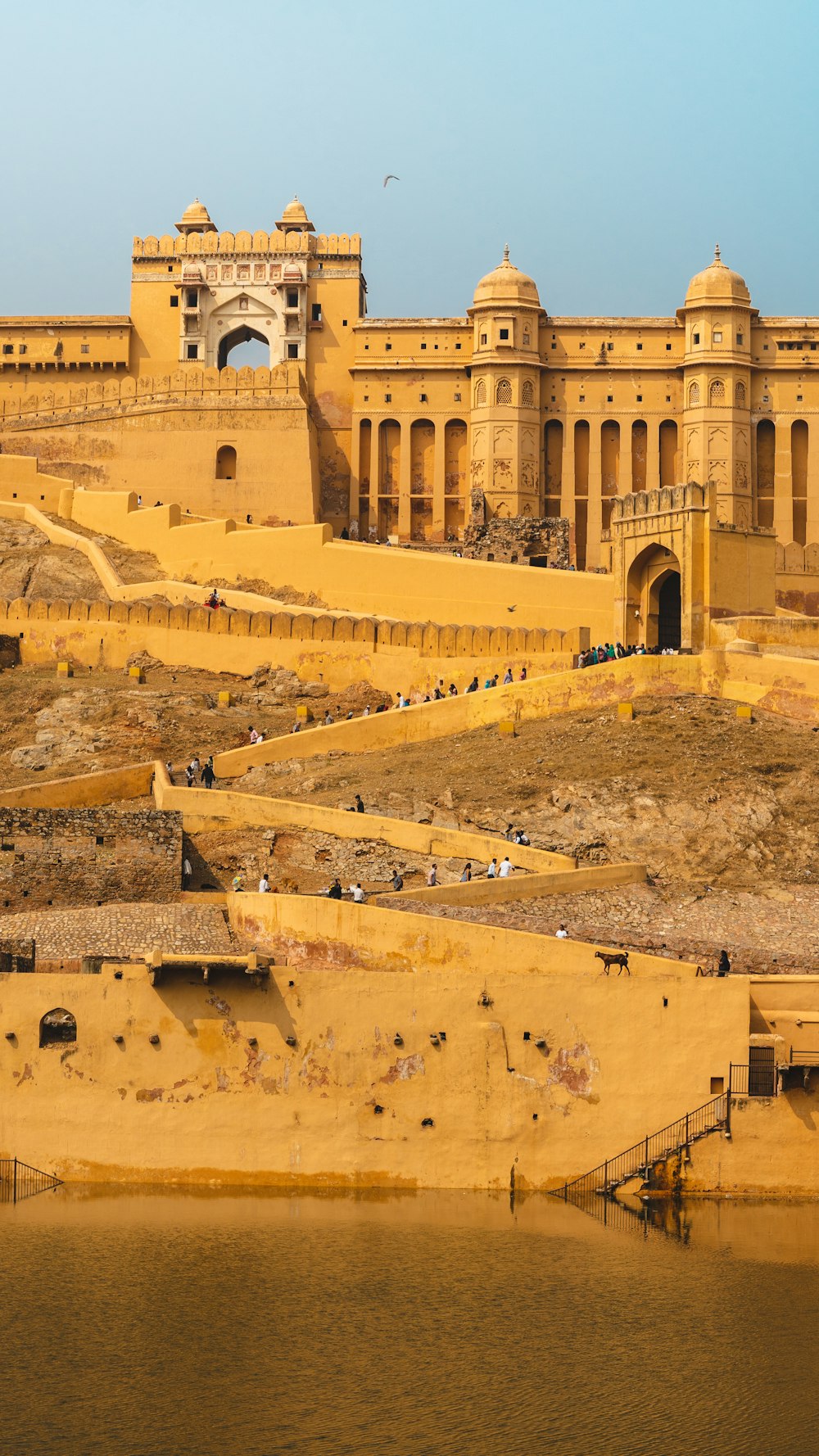
Desert Palaces &
Mumbai's Heartbeat
Rajasthan's painted havelis and camel fairs. Mumbai's film studios, ocean drives, and street food that never sleeps. Gujarat's rann of Kutch — the world's largest salt flat turning silver under the full moon. The west is India at its most theatrical.
Chapter 03 — Ancient Practice
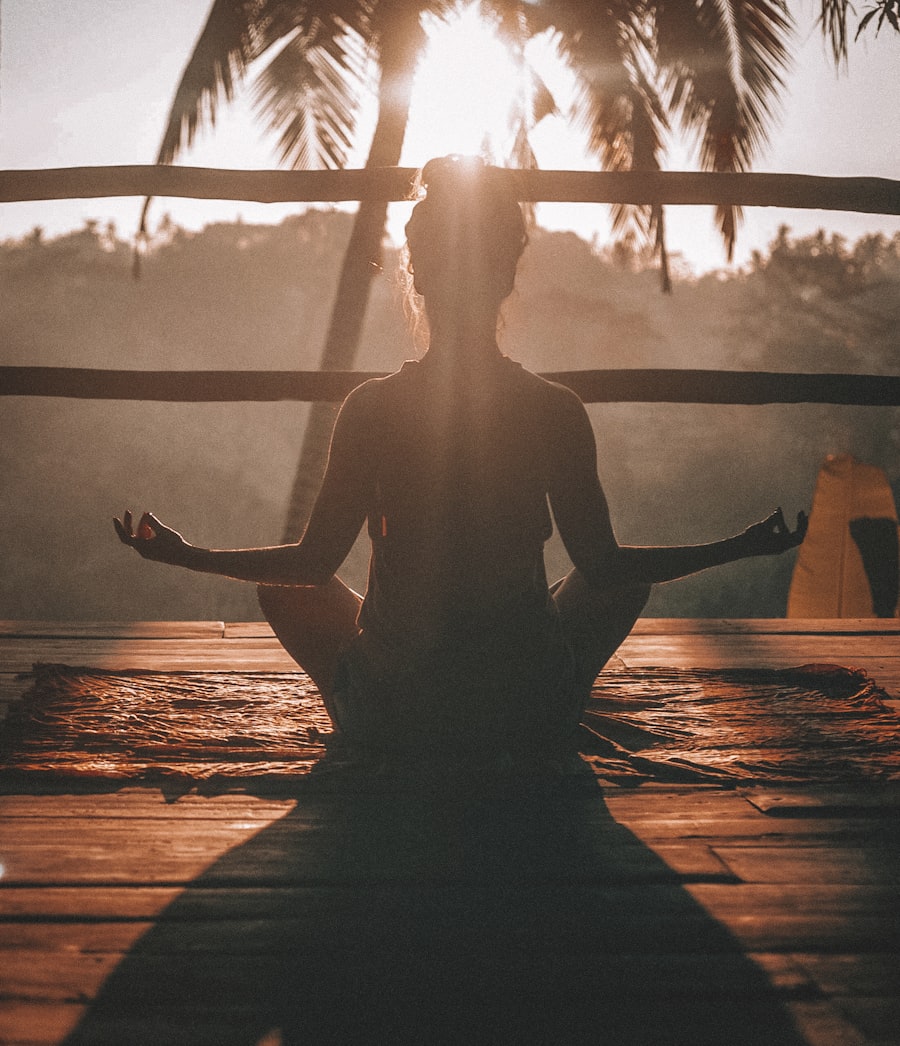
Yoga Was Born
Here. Not as a
Trend. As a Life.
Five thousand years ago, in the forests along the Ganges, a tradition of understanding the body and the mind was born that would eventually travel to every corner of the world. What California calls a workout, India calls a philosophy.
In Rishikesh — the yoga capital of the world — students wake before dawn to practise on the banks of the Ganga. In Mysore, the Ashtanga tradition draws practitioners from 60 countries. In Kerala, Ayurveda — the world's oldest holistic health system — is still practised by its original masters.
As a student in India, you don't have to seek yoga out. It will find you. In the campus morning session, in the Pranayama elective, in the meditation hall before exams, in the advice of a professor who has practised for 40 years.

COLOUR IS
INDIA'S
LANGUAGE.
Every festival, every sari, every temple wall, every flower garland tells a story in colour. India doesn't express itself — it radiates.
Chapter 04 — Festivals
A Country That
Celebrates Everything.
Holi — The Festival of Colours
The most joyful day in the Indian calendar. Streets, campuses and entire cities erupt in a storm of coloured powder. No one is a stranger. Everyone is covered in the same colours.

Diwali — Festival of Lights
One billion lamps lit simultaneously. The night sky blazing. Sweets shared with neighbours of every faith.

Durga Puja — Bengal's Greatest Gift
Kolkata transforms into an open-air art gallery. Pandals the size of cathedrals. The whole city dances for five days.

Navratri — Nine Nights of Dance
Gujarat's garba circles spin through the night for nine days. International students are always invited to join. No one leaves without learning a step.

Onam — Kerala's Harvest Feast
A 26-dish banana-leaf feast. Snake boat races on emerald rivers. Flower carpets covering entire courtyards in intricate patterns.

Eid — Shared Joy
India's 200 million Muslims celebrate Eid with generosity that spills across every community. Neighbours of all faiths share sevaiyan at the same table.

Christmas — Jingle Bells
From Goa's midnight masses to Shillong's carol-singing streets, India celebrates Christmas with warmth, lights, and a uniquely Indian spirit of togetherness.
Chapter 05 — The People
A Billion Faces.
One Soul.
Fair-skinned Kashmiris. Dark-complexioned Tamilians. Mongoloid-featured Nagas. Tribal Gondi. Sikh Punjabis. Bengali intellectuals. Gujarati traders. They look nothing alike — and yet every single one will tell you: I am Indian. This is the most extraordinary fact about India.


"The most diverse group of humans on Earth — and somehow, undeniably, one family."
A foreign student arriving in India expects to encounter a culture. What they discover is a civilisation — one that has absorbed every invasion, every migration, every idea — and transformed it into something distinctly its own. India doesn't assimilate. It includes. And that makes all the difference.
Chapter 06 — Cinema
The World's
Biggest Film
Industry.
India doesn't have one film industry. It has dozens — each in a different language, with its own stars, its own stories, and its own massive audience. India produces more films per year than any country on Earth — and many of them are genuinely extraordinary.
Bollywood
The world knows Bollywood — the song, the dance, the dramatic climax in the rain. What the world doesn't know is that Hindi cinema also produces devastating social dramas, noir thrillers, and intimate comedies that travel every emotional register. Shah Rukh Khan is its global ambassador. The films are its soul.
Kollywood
Tamil cinema is where India's most technically daring, thematically bold, and globally acclaimed films come from. Rajinikanth's mythic stardom. Mani Ratnam's lyricism. The RRR era showed the world what Indian cinema looks like at full power.
Malayalam Cinema
Kerala produces India's most critically lauded, internationally celebrated cinema — films that find their way to Cannes, Sundance, and the Oscar shortlist. Intimate, human, morally complex. Kerala's directors are India's quiet auteurs.
Tollywood
The Telugu industry out-earns Bollywood in box office numbers. Baahubali changed the global conversation about Indian spectacle cinema. RRR won the Oscar. Tollywood's ambition is matched only by its scale.
Bengali Cinema
Satyajit Ray built one of world cinema's greatest bodies of work here. The Pather Panchali trilogy belongs in the same breath as Bergman or Kurosawa. Kolkata's cinematic tradition is India's most literary, most philosophical, most enduring.
Marathi & Beyond
Kannada, Odia, Punjabi, Assamese, Marathi — each regional film tradition is a world unto itself. India's film universe is so vast that even its most devoted fans have barely scratched the surface.
Chapter 07 — Incredible People
The Minds That
Moved the World.
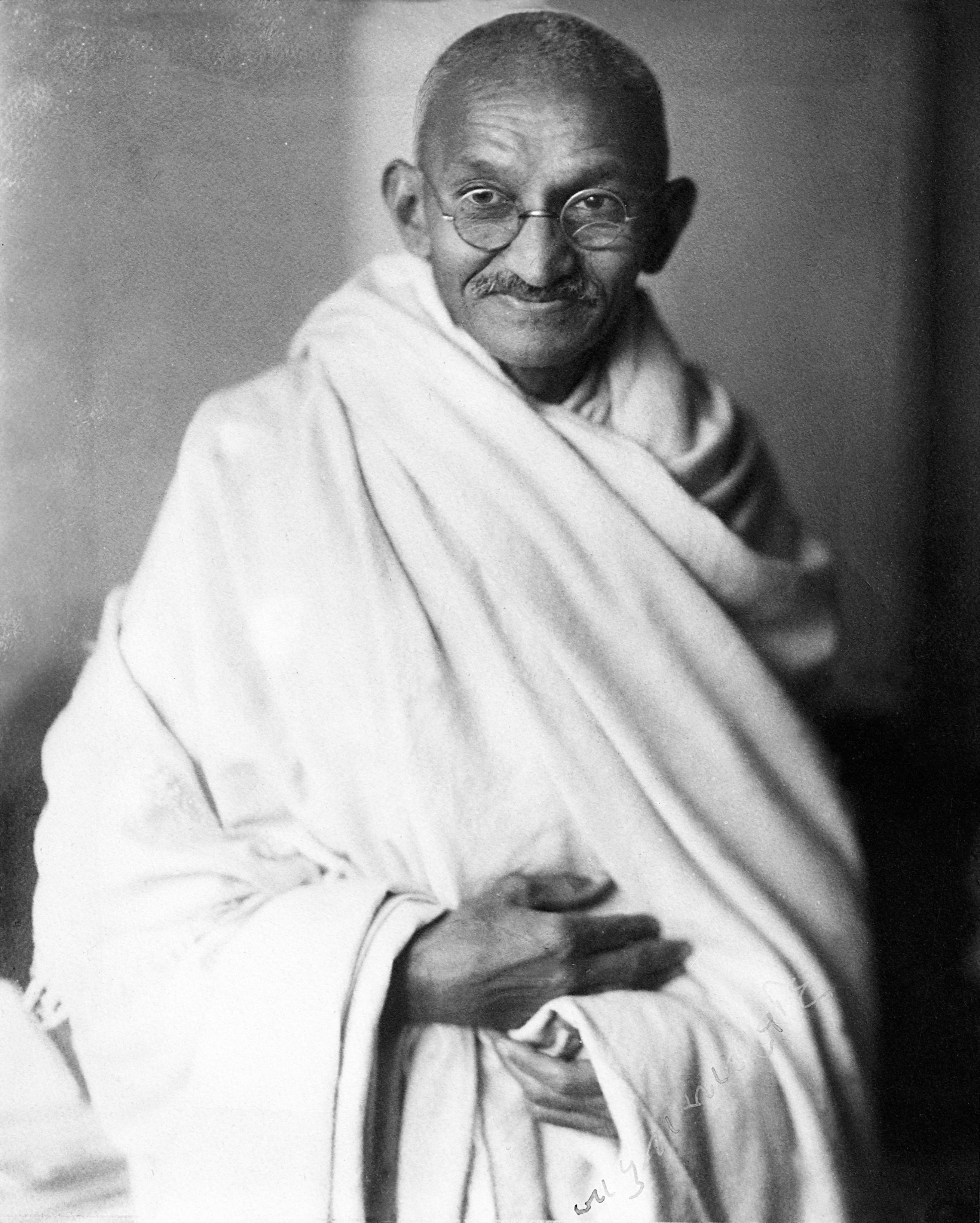
The man who defeated an empire without firing a single bullet. His philosophy of nonviolence — Ahimsa — inspired Nelson Mandela, Martin Luther King Jr., and every peaceful revolution since.

The first Asian to win the Nobel Prize in Science. His discovery of the Raman Effect — how light scatters through matter — transformed physics and is used in labs worldwide every single day.

The "Missile Man of India" who became the most beloved President the country ever had. He believed science and poetry were the same thing. He was right.
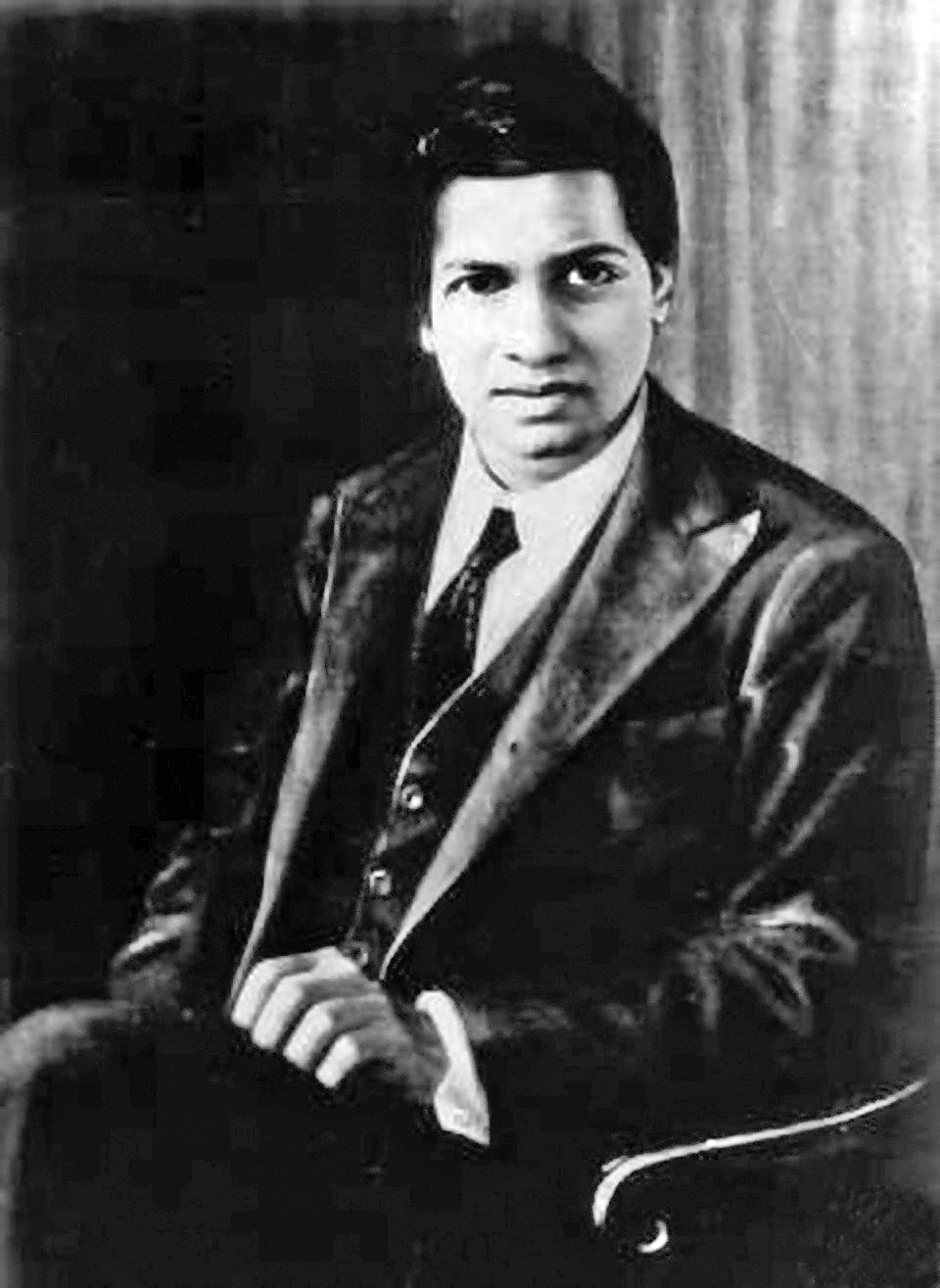
Self-taught, from a small Tamil Nadu town, with almost no formal training — Ramanujan produced mathematical theorems that left Cambridge professors astonished. He said his formulas came to him in dreams from a goddess.

From a small flat in Chennai where the family couldn't afford a phone, to CEO of Google and Alphabet — the world's most powerful technology company. His story is India's story.

The man who transformed Microsoft from a company in decline to the world's most valuable corporation. A cricket-loving boy from Hyderabad who became the defining business leader of the cloud age.

Who turned a 19th-century trading company into a global conglomerate operating in 100 countries — and then quietly gave most of his wealth away. The most admired industrialist in Indian history.

The first non-European to win the Nobel Prize in Literature. He wrote the national anthems of two countries — India and Bangladesh. His poetry still speaks to hearts 80 years after his death.
Chapter 08 — Modern Culture
Ancient in Its
Roots. Electric
in Its Now.
The same city where a grandmother performs a 3,000-year-old puja ritual at dawn is also home to a Michelin-starred restaurant, a thriving drag scene, a blockchain startup, and an underground hip-hop collective that samples classical ragas.
This is what makes India unlike any other modernising nation: it doesn't discard its past to build its future. It carries both — simultaneously, without apology, with extraordinary creativity.
India's Gen Z is the largest generation of young people in human history. They stream Netflix and attend Navratri garba. They code in Python and consult astrologers. They protest for climate justice and observe Karwa Chauth. They are the most fascinating generation on Earth.
As a foreign student, you won't just study alongside them. You will be changed by them.
The Innovations India Gave
the World Through the Ages.
The foundation upon which all modern computation and science is built.
Strategic games invented in India that spread across the world's cultures.
Indus Valley civilisation pioneered urban water management 4,000 years ago.
Narinder Singh Kapany's work laid the groundwork for global internet infrastructure.
The world's first iron-cased rockets — precursors to modern rocketry.
A 5,000-year-old system of wellbeing now practised by 300 million people worldwide.
India's textile innovations shaped global fashion and everyday clothing fasteners.
Ancient India pioneered techniques still fundamental to materials science today.
India has a long history of breakthrough discoveries and scientific achievements that shaped the modern world.
Come See What Words
Cannot Capture.
No article, no photograph, no documentary can prepare you for what India actually feels like. The only way to understand it is to be in it — to let its colours, sounds, smells, and warmth surround you. Come study here. Come live here. Come be changed here.